News/Blogs · 4 min read
Why dark mode keeps listeners longer
By Daniel Reyes · Audience notes
News/Blogs · 4 min read
By Daniel Reyes · Audience notes
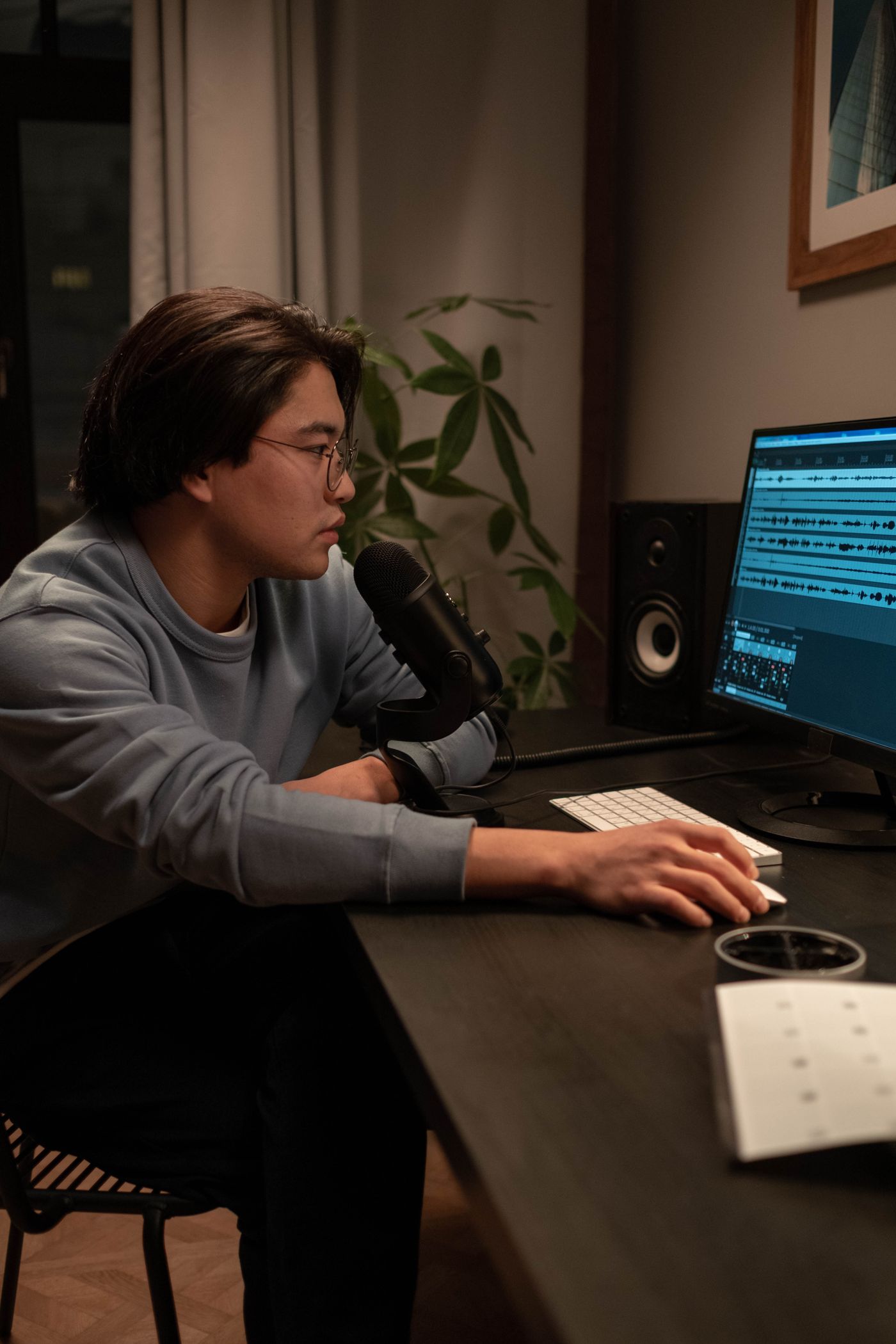
Most of our audience listens between 10pm and 2am — in bed, on night drives, on the last train home. That context changed how we think about everything around the audio: the episode pages, the show notes, even the newsletter. Night listening is a different medium, and it rewards a different design.
Daytime listening is companion audio — half an ear while the eyes are busy. Night listening is the main event. Our completion data bears it out: episodes finished at night are abandoned far less often, and listeners remember details days later. So we stopped writing for skimmers and started writing for people lying in the dark with nothing to look at but the ceiling.
If someone checks the episode page mid-listen, it is on a phone at minimum brightness. That killed our old show-notes format — dense paragraphs nobody could read one-handed. Now every episode gets short chapters, one quotable line, and links big enough to tap half-asleep. Bounce rates from episode pages dropped by a third after the change.
"Design for the ceiling-starers: one ear, one thumb, zero patience."
The lesson carried back into the audio itself. Night ears are sensitive ears — harsh edits, loud intros, and sudden ad breaks feel twice as aggressive at midnight. We mix our episodes quieter than the platform average, keep the intro under fifteen seconds, and never, ever auto-play anything. Respect the dark, and the dark keeps listening.
Daniel Reyes
Audience editor for Nightcap Radio Hour. Daniel reads every survey response and all the 2am emails.