News/Blogs · 8 min read
The best microphones for podcasting
By Jonah Fields · Gear guide
News/Blogs · 8 min read
By Jonah Fields · Gear guide
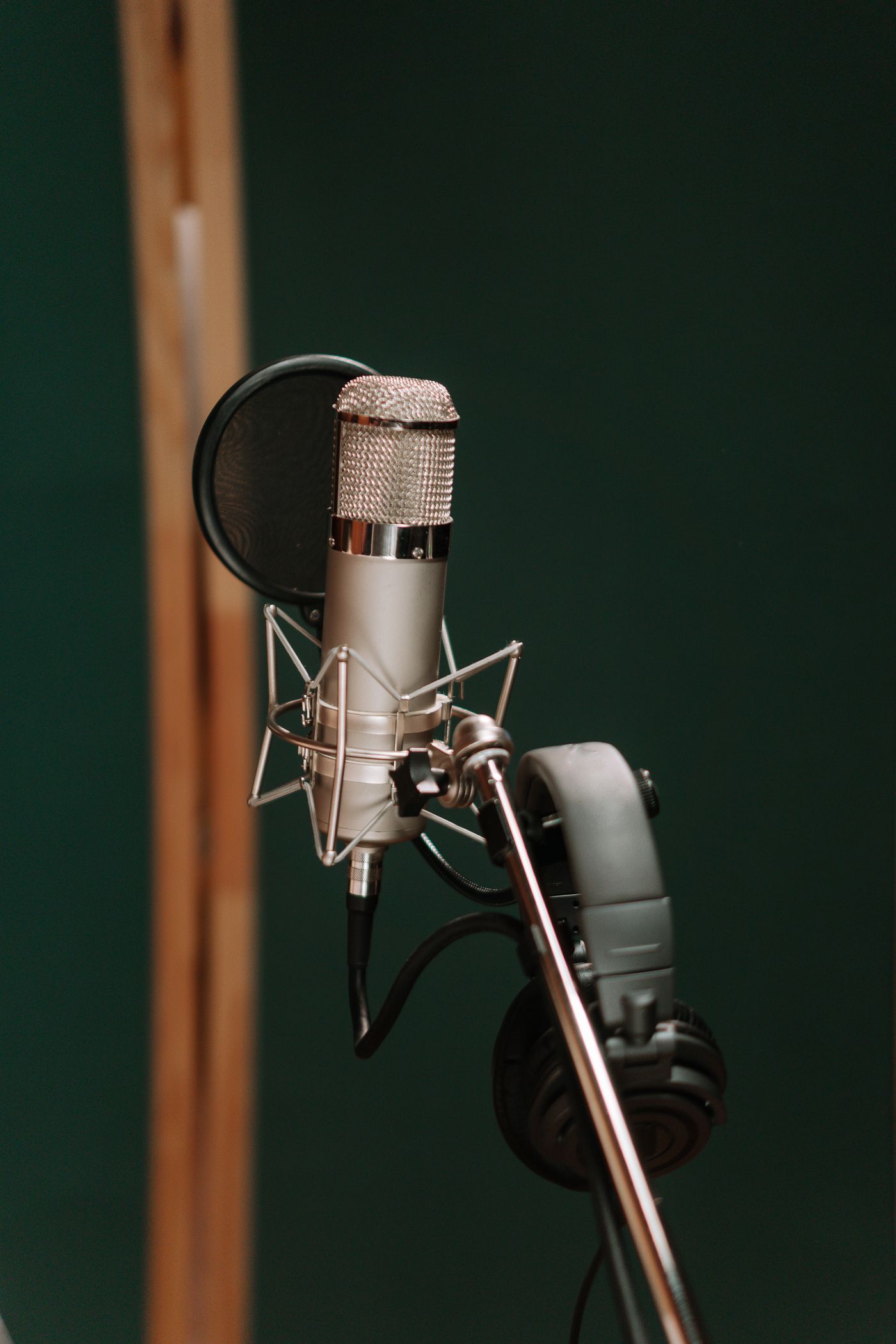
Listeners forgive a lot — rambling, bad jokes, the occasional siren outside Studio B. What they don't forgive is harsh, thin, or echoey sound. We have recorded on everything from a borrowed headset to our current studio condensers. Here are the three tiers we'd actually recommend, with the honest trade-offs of each.
A modest USB dynamic mic and a quiet room will outperform an expensive condenser in a bad space every time. Dynamics reject room echo, need no extra gear, and plug straight into a laptop. Our first twenty episodes were cut on exactly this setup, and only our engineer can tell. Spend the savings on soft furnishings — blankets beat preamps at this level.
When the show earns its own budget, move to a broadcast-style dynamic with an interface and a boom arm. This is the sweet spot for most podcasts: rich low end, forgiving placement, and enough output to survive an untreated room. Add a shock mount and a pop filter and you're at 90% of professional sound for the price of a weekend away.
"Buy the room before you buy the mic — treatment first, hardware second."
Large-diaphragm condensers are what you hear on our recent seasons: open, detailed, unforgiving. They demand a treated room, consistent mic technique, and guests who don't fidget. Worth it when the show is the product — overkill when you're still finding your voice. Whatever you buy, record a full test episode first; showroom voice and 11pm voice are different animals.
Jonah Fields
Audio engineer for Nightcap Radio Hour. Jonah mixes every episode and maintains the studio's mic locker.