News/Blogs · 6 min read
Top 10 shows every creator should hear
By Maya Lindqvist · Production notes from the studio
News/Blogs · 6 min read
By Maya Lindqvist · Production notes from the studio
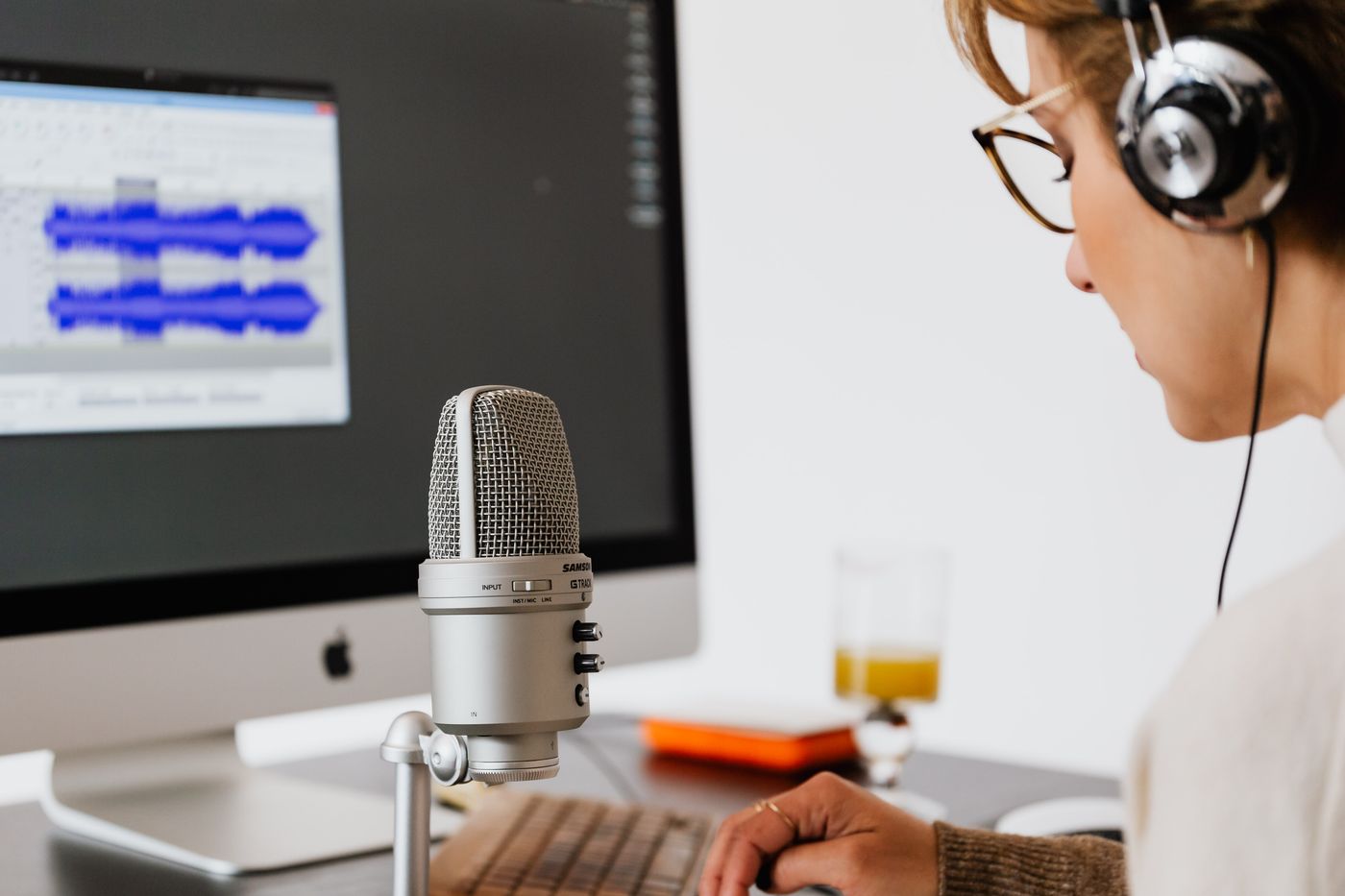
Every show is downstream of the shows its makers love. Ours was built on a steady diet of other people's brilliance — interviewers who listen, storytellers who structure, and a few glorious weirdos who do neither. Here is the rotation we actually keep, and what each one taught us.
Start with the long-form legends: the hosts who can hold three hours on a single life and make it feel like twenty minutes. From them we stole our cardinal rule — the follow-up question matters more than the prepared one. We keep a running document of great follow-ups overheard in the wild; it is currently 400 lines long and the most valuable file on our drive.
Then the narrative shows — the ones scored like films and edited within an inch of their lives. They taught us pacing: when to withhold, when to land the detail, and why the best sound design is the kind nobody notices. Our episodes are looser by design, but every cold open goes through a storyteller's pass before it airs.
Finally, the outliers: a design-critique show recorded in laundromats, a true-crime series told backwards, a business podcast with no guests at all. They remind us that format is a starting point, not a cage. Two of our favourite episode structures — the midnight detour and the one-question episode — came straight from this shelf.
"Listen widely, steal structurally, credit loudly."
Don't binge them — apprentice yourself to them. Pick one episode from each shelf, listen with a notebook, and write down exactly when you lean in and when you drift. That map of your own attention is worth more than any production course. Then come back and tell us what we missed; the rotation is never finished.
Maya Lindqvist
Studio producer for Nightcap Radio Hour. Maya cuts every episode and keeps the follow-up-question document.